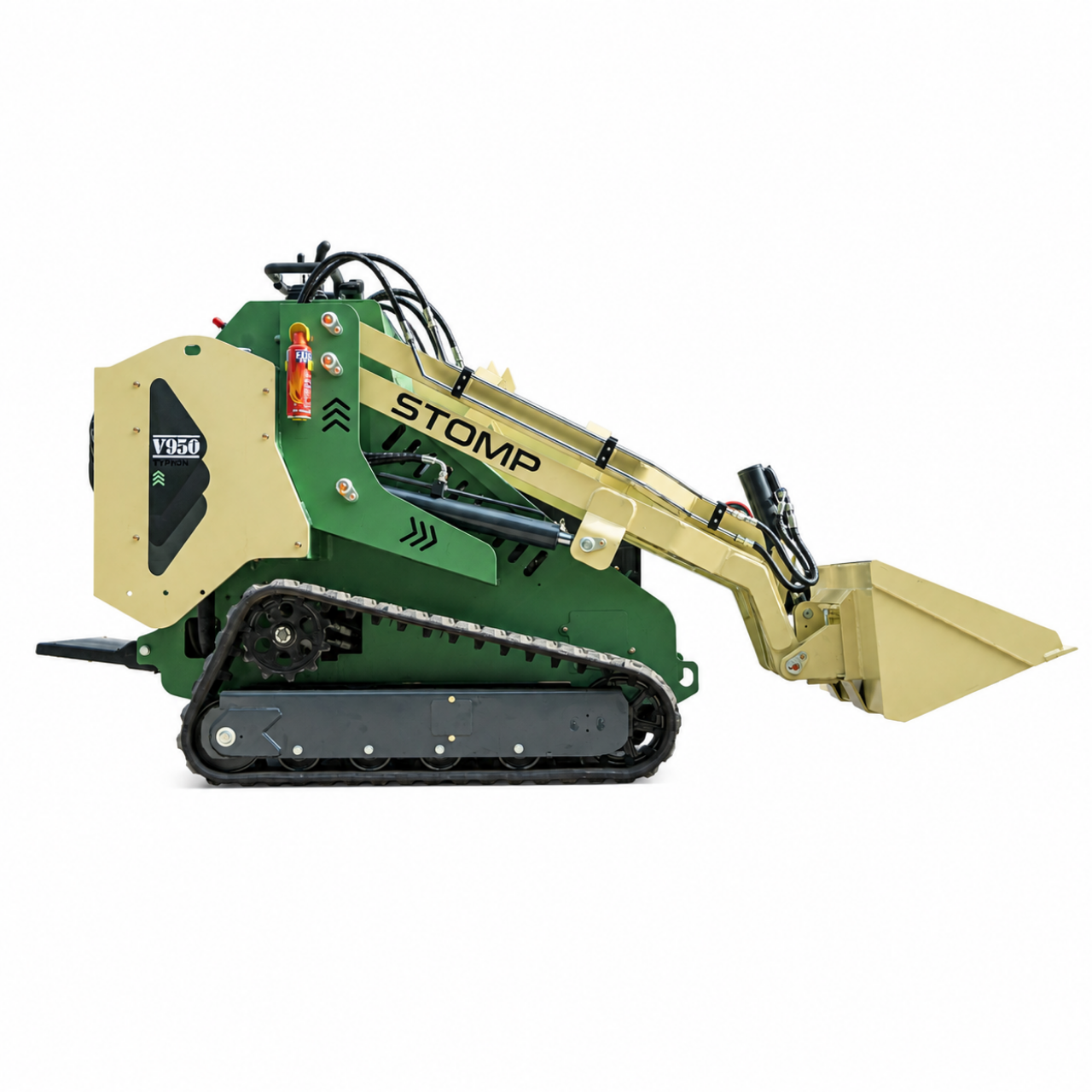
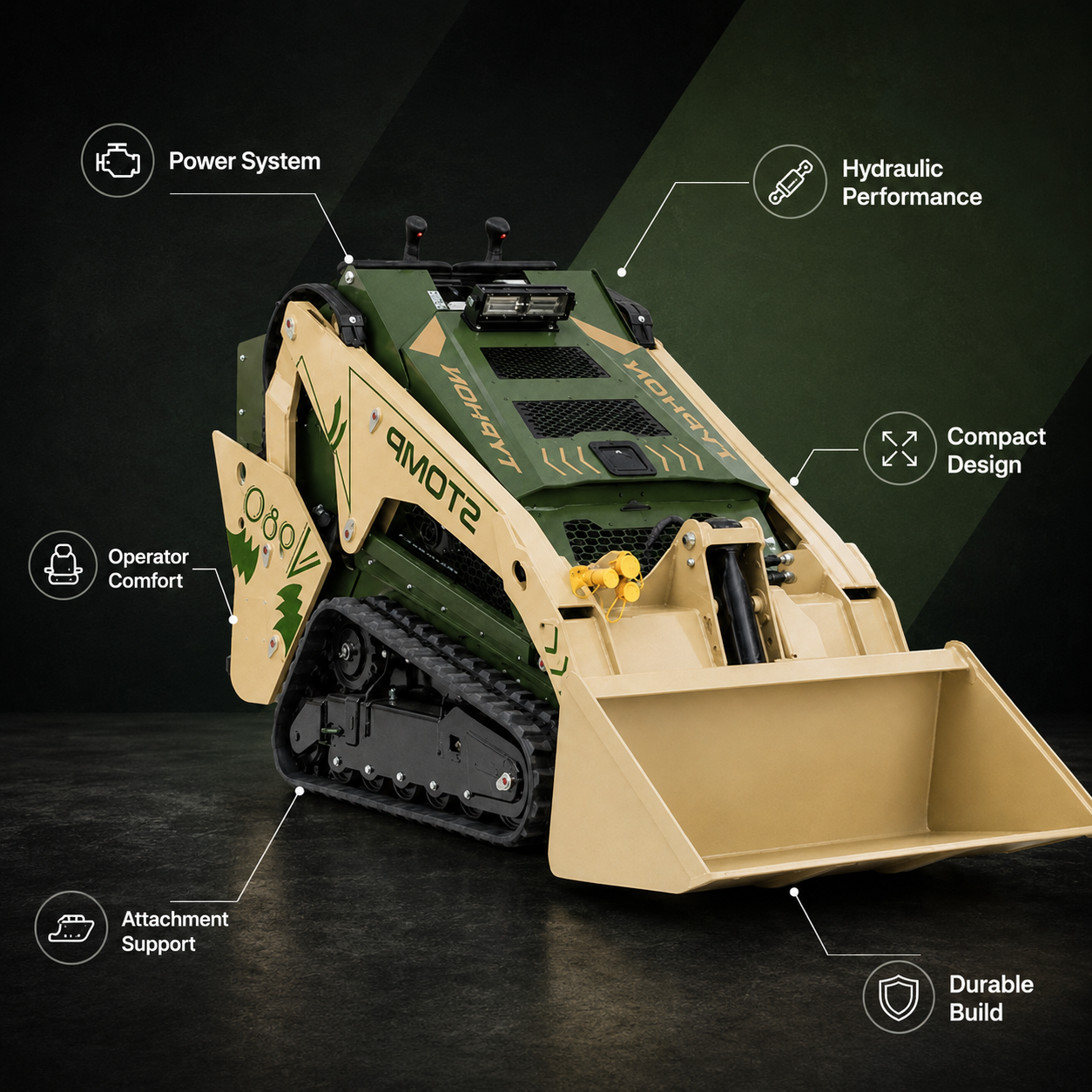
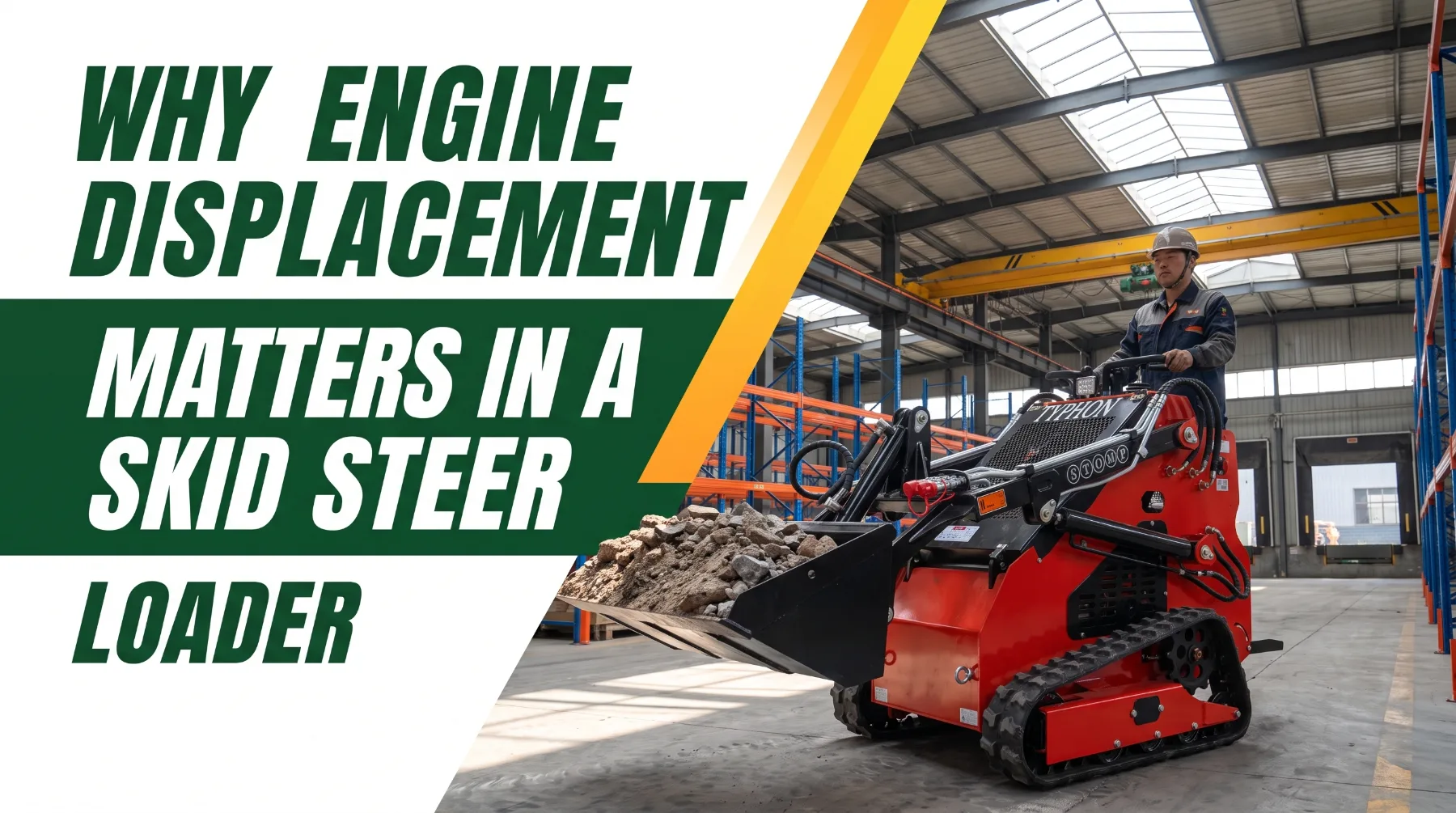
Engine displacement is the combined swept volume of an engine's cylinders, and it provides part of the foundation for how the engine develops torque and horsepower. A larger displacement can allow an engine to move more air and fuel through the cylinders and produce greater torque, but displacement alone does not determine engine output or machine performance. Engine design, turbocharging, fuel delivery, rated speed, and calibration also influence the power produced. In a skid steer, that engine output must be sufficient to drive the hydraulic pump and drivetrain while maintaining engine speed when digging resistance, travel load, or attachment demand increases.
The connection between displacement and machine performance becomes most important under sustained load. The engine supplies mechanical power to the hydraulic pump, which generates the flow and pressure required for loader functions and auxiliary attachments. Hydraulic flow affects actuator and attachment speed, while hydraulic pressure determines the force available when resistance increases. A properly matched engine can maintain pump speed and hydraulic performance without excessive lugging or continuous operation at maximum output. Engine displacement should therefore be evaluated alongside horsepower, torque characteristics, hydraulic flow and pressure, rated operating capacity, attachment requirements, machine weight, and duty cycle. The goal is not to select the largest engine, but to choose an engine with enough output and power reserve for the actual work the skid steer will perform.
What Engine Displacement Actually Is
Engine displacement is the total volume that all of the engine's cylinders sweep through in a single full cycle, usually measured in liters on a skid steer. Picture each cylinder as a chamber that draws in air and fuel, compresses the mixture, and burns it to drive the piston. Add up the swept volume of every cylinder, and you have the engine's displacement. A larger figure means the engine moves more air and fuel with each stroke, and that greater combustion capacity is what ultimately sets the ceiling on the power the engine can produce.
On a skid steer, displacement typically lands in a modest range across the common frame sizes, but every fraction of a liter carries weight in a compact machine built to work hard in tight quarters. The displacement figure tells you how much combustion capacity the engine has to draw on, and from that single number flows the machine's torque, its horsepower, and its ability to keep the hydraulics fed when the work stacks up. It isn't a footnote. It's the foundation the rest of the spec sheet stands on.
How Displacement Underpins Torque and Horsepower
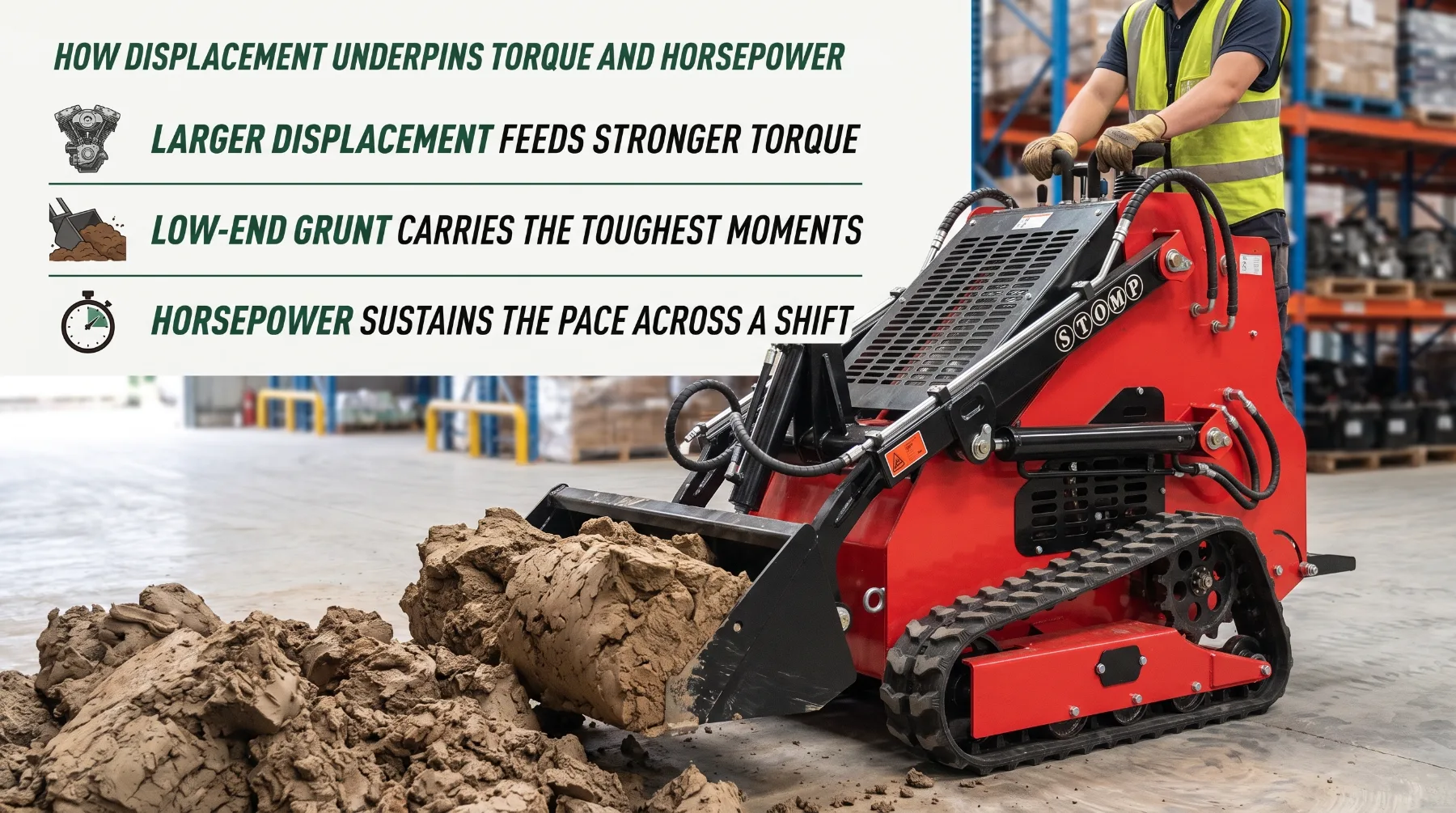
Torque is the twisting force the engine produces, and it's the quality that matters most when the work turns tough. Displacement feeds torque directly, because a larger swept volume burns more air and fuel per stroke, generating more force to turn the crankshaft. That force is what lets a skid steer crowd its bucket into packed clay, drive an auger through dense soil, or push a stubborn pile without lugging down. When a machine bites into hard material and keeps moving rather than stalling at the first sign of resistance, you're feeling the torque that displacement makes possible. Pay particular attention to how that torque holds at lower engine speeds, because low-end grunt is what carries a machine through its hardest moments.
Horsepower follows from torque and engine speed together, describing the rate at which the engine can sustain work over time. A larger-displacement engine generally delivers both stronger torque and higher horsepower, so it holds digging force while also keeping cycle times brisk through a long shift. The practical upshot is straightforward: an engine with ample displacement maintains its output when demand climbs, while a smaller one has to spin harder and may still fall short of the force the job requires. Two machines with similar horsepower ratings can perform very differently in the cut, and the displacement behind those numbers is often the reason one powers through while the other works.
How Displacement Feeds Hydraulic Output
A skid steer does almost none of its real work mechanically through the engine alone. Instead, the engine drives a hydraulic pump, and that pump pressurizes the fluid that powers the lift arms, the tilt cylinders, the drive motors, and every attachment you mount on the coupler. Each lift, curl, push, and spin begins as engine output converted into hydraulic energy, which makes the pump a constant load on the engine whenever the machine is working. The displacement of that engine determines how much power it can hand to the pump, and therefore how much hydraulic flow and pressure the machine can sustain under real demand.
This is where displacement earns its keep, because hydraulic flow sets how fast the functions move while hydraulic pressure sets how much force they exert. An engine with generous displacement keeps the pump fed even when several functions run at once, so an operator can curl a loaded bucket while driving and lifting and still hold speed and force. A smaller engine tends to run short of power when those demands stack up, and the result is a machine that slows or hesitates precisely when you need it to perform. Displacement, in other words, is the quiet source of the hydraulic muscle that makes a skid steer productive.
Why Displacement Shapes Attachment Capability
The attachment on the coupler is where a skid steer's engine load truly reveals itself, and displacement often decides whether a given tool runs at full effectiveness or starves mid-task. Simpler attachments like buckets and standard grapples draw modestly on the hydraulics, relying on short cylinder strokes with pressure spiking only when they meet resistance. Even a modestly sized engine handles that intermittent demand comfortably. Powered attachments are a different matter entirely, and they're where a machine's true capability gets tested.
High-flow tools such as mulchers, cold planers, and trenchers depend on a steady, continuous supply of hydraulic fluid to keep their motors turning at full speed, and that draw never lets up while the tool is working. Feeding that appetite takes real, sustained power, which is exactly what adequate displacement supplies. An engine with the combustion capacity to hold flow and pressure under continuous load runs those demanding tools the way they were designed to run, biting through brush or cutting a clean trench without bogging. An undersized engine, by contrast, may turn the same tool slowly, choke down in heavy material, or fail to drive it altogether. If your work leans on hungry attachments, displacement is one of the most important figures on the spec sheet, because it sets the ceiling on what those tools can actually do.
How Displacement Holds Up Under Heavy and Continuous Load
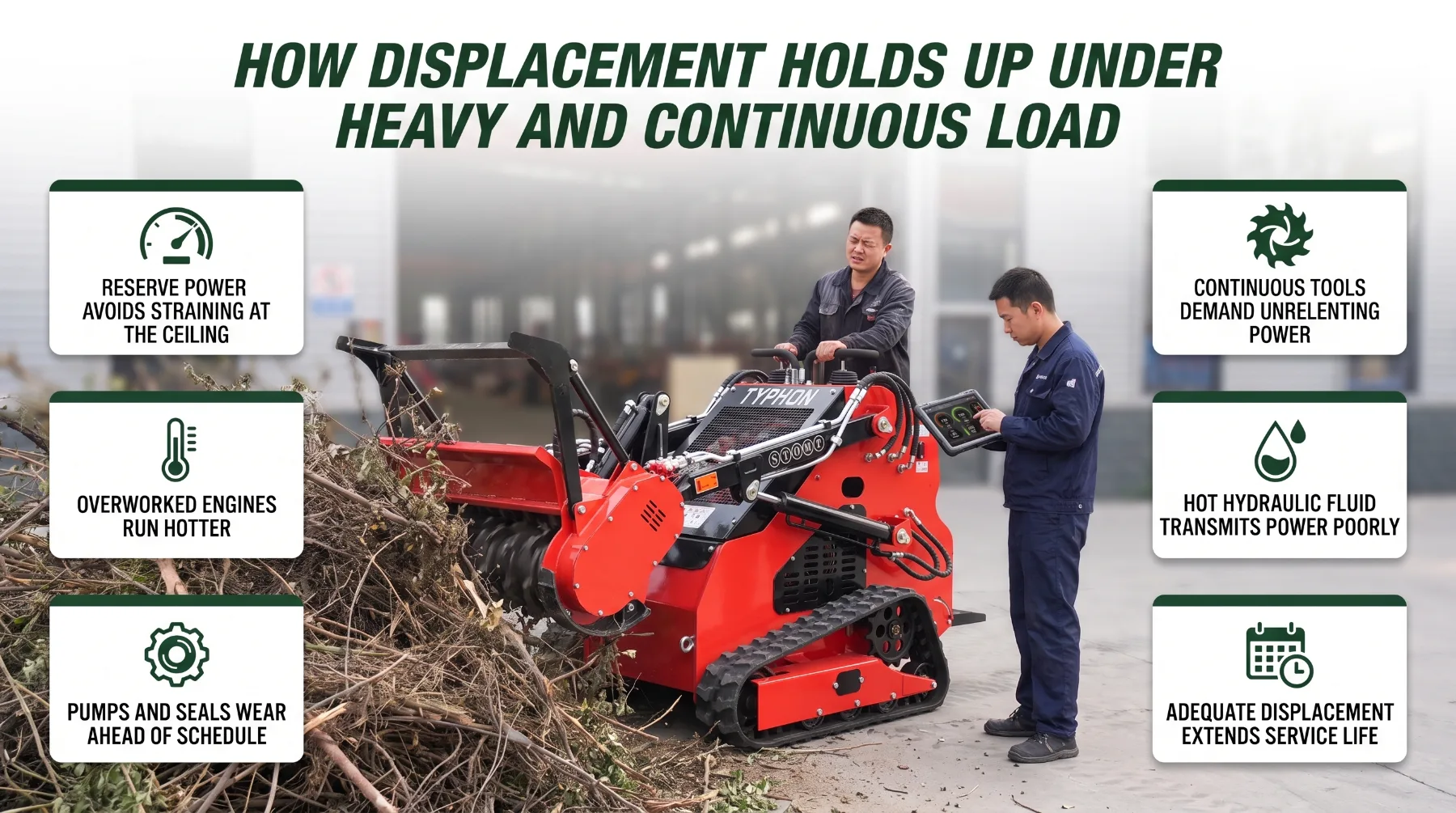
There's a meaningful difference between an engine that can hit a peak number briefly and one that can hold its output hour after hour, and displacement sits at the heart of that distinction. A larger-displacement engine generally works comfortably within its range rather than straining at its ceiling, which matters enormously on jobs that demand sustained power. Continuous production digging in hard material, running a mulcher through a long clearing shift, or feeding a high-flow tool without pause all place a heavy, unrelenting draw on the engine, and a machine with reserve to spare carries that load steadily instead of fighting to keep up.
The consequences of getting this wrong reach well beyond a slow afternoon. An engine forced to run near its limit all day generates more heat, pushes hydraulic fluid past its efficient temperature range where it transmits power poorly and breaks down faster, and ages the pump, seals, cooling system, and drivetrain ahead of schedule. A machine chronically overworked wears out faster than its hour meter suggests, turning a lower purchase price into a higher lifetime cost. Adequate displacement protects against all of that, giving the engine the headroom to handle your worst day without laboring, which shows up directly in steadier performance, lower operating temperatures, and a longer, more dependable service life.
Conclusion
Engine displacement is an important factor in skid steer performance because cylinder volume influences the engine's torque and power characteristics and determines the mechanical output available to the hydraulic pump and drivetrain. Greater displacement can generally provide higher torque and stronger sustained power, particularly at lower engine speeds, but displacement alone does not determine hydraulic capability because pump displacement, engine speed, hydraulic flow, system pressure, and overall efficiency also control the power delivered to attachments.
High-flow attachments such as mulchers, planers, and trenchers can place sustained demand on the engine because operating at high flow and pressure increases hydraulic power requirements, making adequate engine output and torque reserve important for maintaining pump speed under load. If engine capacity is insufficient for the required duty cycle, engine-speed droop can reduce pump flow, slow attachment operation, increase thermal loading, and accelerate mechanical wear during prolonged high-load work.
An oversized engine, however, can add unnecessary mass, fuel consumption, cooling requirements, and acquisition cost when the hydraulic system and workload cannot utilize the additional output. Engine selection should therefore consider operating weight, rated horsepower, torque characteristics, pump flow, maximum system pressure, auxiliary hydraulic requirements, attachment type, material resistance, and expected duty cycle.
Matching engine displacement and power characteristics to the most demanding realistic application allows the skid steer to maintain stable hydraulic performance and drivetrain output without operating continuously at its maximum capacity. Proper maintenance of the air and fuel systems, cooling system, lubrication, hydraulic filtration, and pump components is also necessary because restrictions, contamination, or component wear can increase power losses and place additional load on the engine. The correct specification is therefore the one that provides sufficient power reserve for the machine's heaviest material, most demanding attachment, and longest sustained workload without unnecessary oversizing.
Frequently Asked Questions
Does a larger engine displacement always mean a better skid steer?
Not automatically. Larger displacement generally supports stronger torque, sustained horsepower, and more hydraulic reserve under continuous load, which helps greatly on hard material and power-hungry attachments. But it also burns more fuel, adds weight, and raises the purchase price. On light loading or landscaping work in tight quarters, a smaller-displacement engine can serve better by saving fuel and keeping the machine nimble. The right choice is displacement matched to your real workload, big enough to carry your heaviest realistic task with reserve, without paying for capacity you'll rarely use.
How does engine displacement affect the attachments I can run?
Displacement determines how much power the engine can feed to the hydraulic pump, which in turn sets the flow and pressure available to your attachments. High-flow tools like mulchers, cold planers, and trenchers rely on a continuous supply of hydraulic fluid to keep their motors turning at full speed, so they need an engine with the displacement to sustain that draw without bogging down. Simpler attachments like buckets and grapples ask far less. Identify the most demanding tool you'll run regularly, check its flow and pressure requirements against the machine's output, and confirm the engine carries genuine reserve so the attachment performs at full effectiveness under load.
How can I tell if a skid steer's displacement suits my work?
Start by profiling your heaviest regular task, not your lightest. Consider your typical material, since packed clay and rock demand far more power than loose soil; your duty cycle, since continuous production draws sustained output; and your attachments, since high-flow tools require heavy, ongoing hydraulic flow. Match those demands against the machine's displacement, then confirm with a practical test. Run the skid steer on your actual material, with your real attachments, at your real working pace, and watch whether it holds its digging force and hydraulic speed under load. A machine that stays strong through your hardest work is sized correctly for your operation.
Equipment Guidance
Need help choosing equipment for your next job?
Contact KONSTRUCTZ support and get practical guidance before comparing machines, attachments, or jobsite requirements.Contact SupportReader Comments
Join the equipment discussion
Related Posts
Keep comparing before the next job
 Skid SteersWhy Auxiliary Hydraulic Flow Matters for Skid Steer Engine Selection8 min read
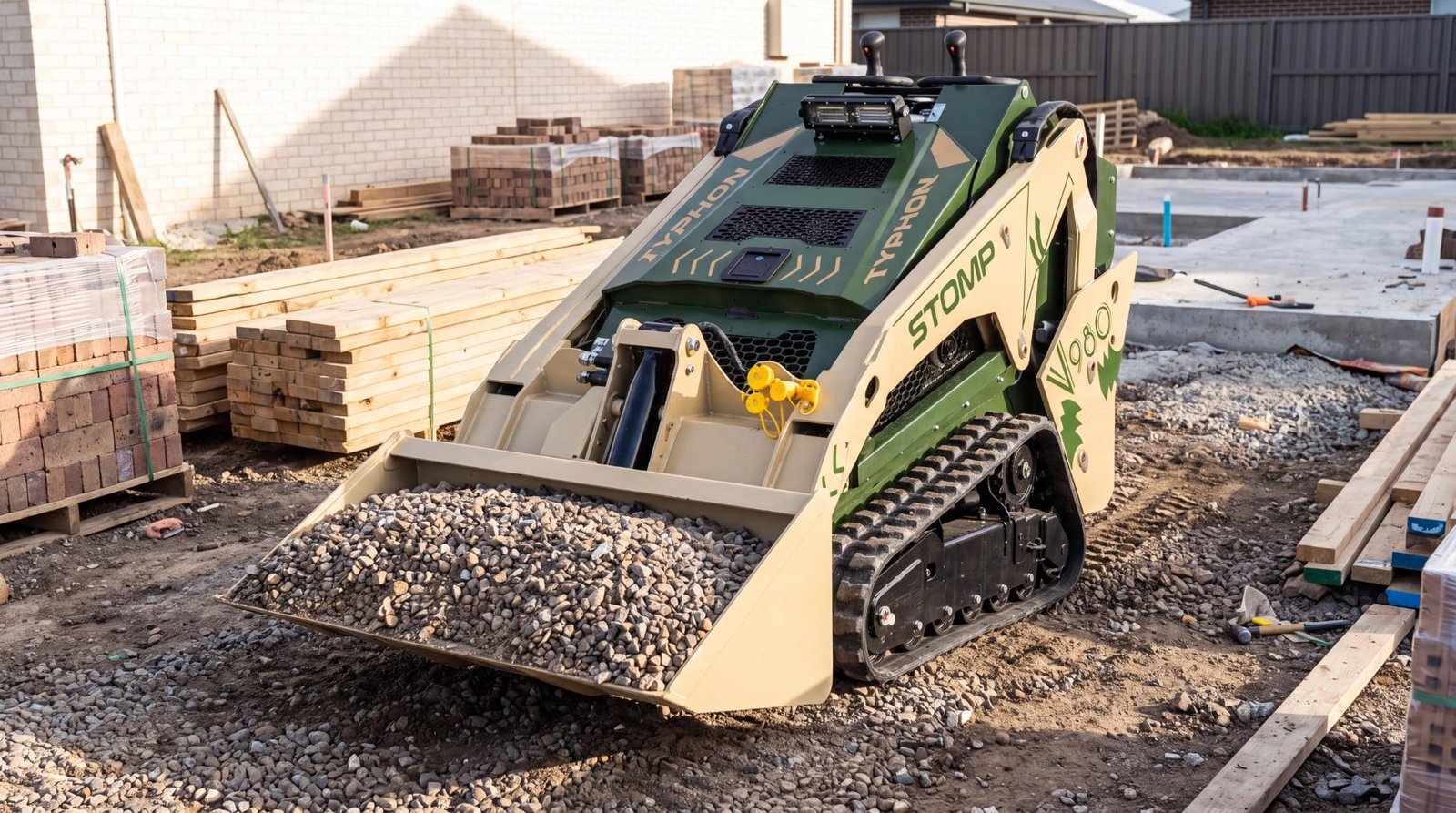 Skid Steers, Equipment Buying GuidesSkid Steer and Compact Track Loader Buying Guide: Size and Attachments13 min read
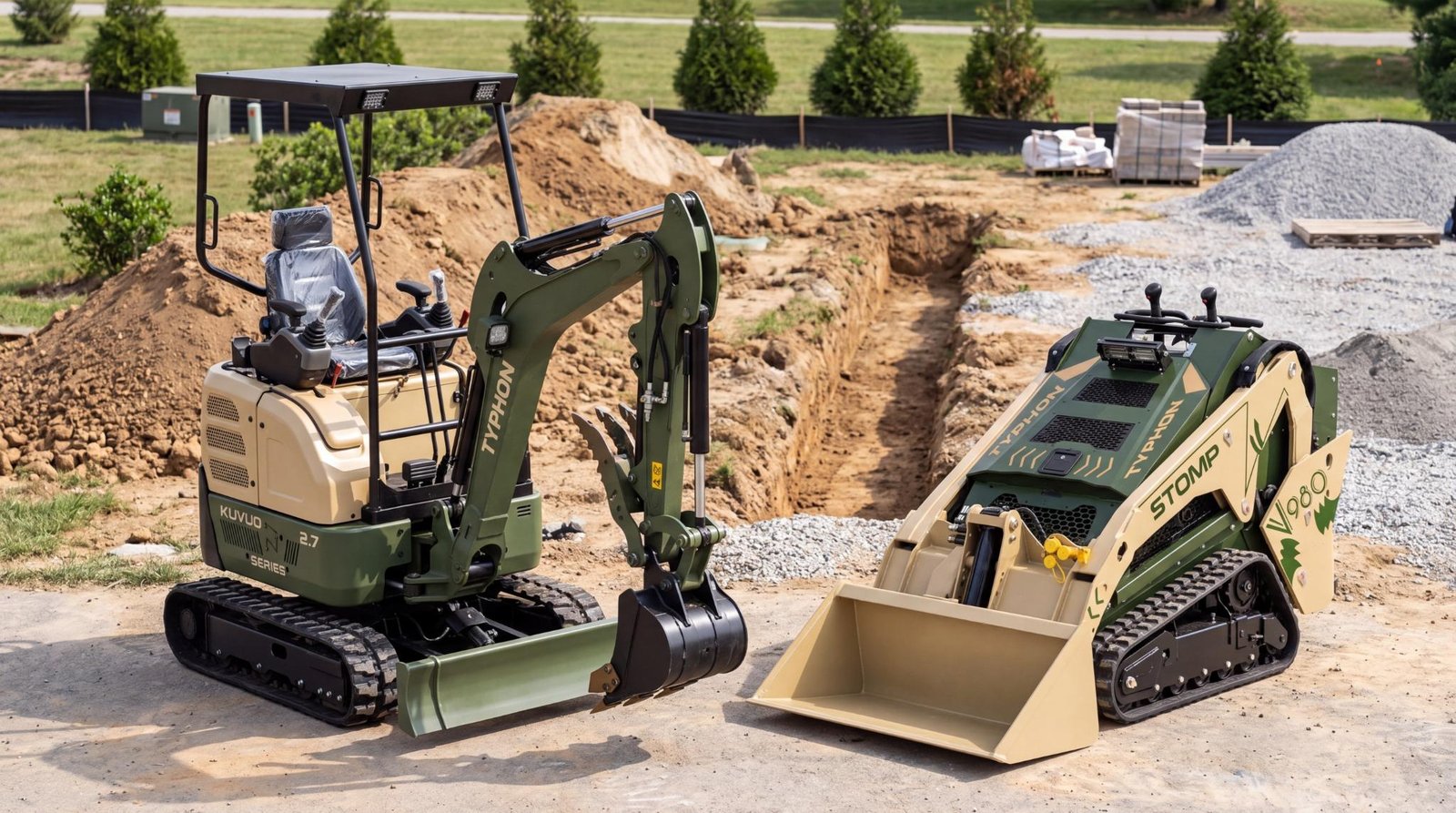 Mini Excavators, Skid Steers, Equipment Buying GuidesMini Excavator vs Skid Steer or Compact Track Loader: Which Fits Your Job?10 min read
No published comments yet.