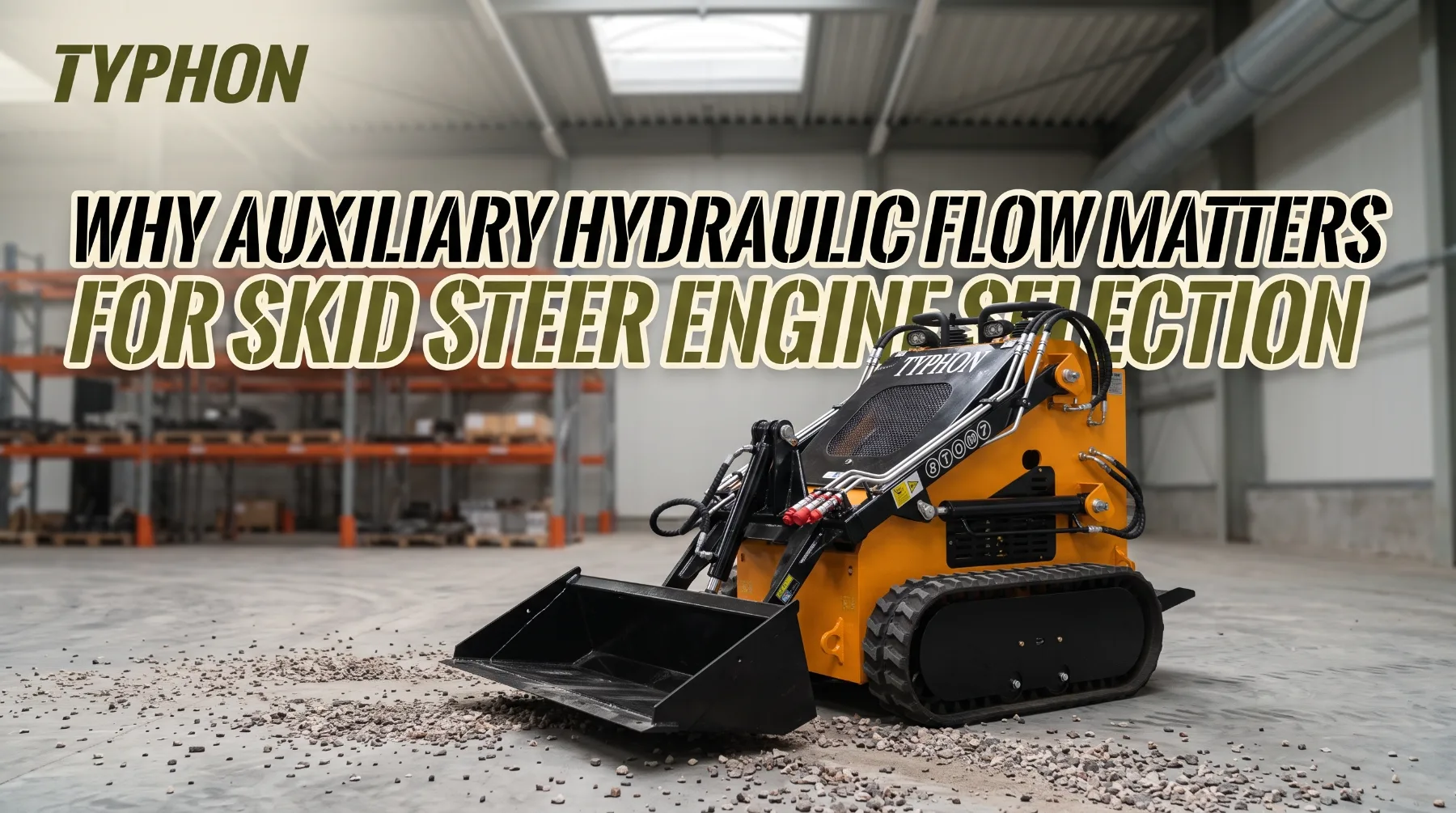
Engine selection should start with the attachment workload, not horsepower alone. On a skid steer, the engine provides the power needed to drive the hydraulic system, while auxiliary flow determines how effectively attachments receive that power. If the engine cannot support the hydraulic demand, an attachment such as a mulcher, trencher, or planer may lose performance under load even when the machine appears adequately powered on paper.
The key connection is the amount of hydraulic flow an attachment requires and the engine power available to sustain it. This article explains how auxiliary hydraulic flow works, how it influences engine sizing, what happens when flow and engine output are poorly matched, and how the relationship affects real jobsite performance. It also covers operator behavior, attachment selection, fuel use, and long-term operating costs so you can evaluate the complete power package before buying.
What Auxiliary Hydraulic Flow Actually Is
Auxiliary hydraulic flow is the volume of pressurized oil a skid steer routes to the attachment mounted on its coupler, measured in gallons per minute. This flow is separate from the oil that lifts the loader arms and tilts the bucket. It exists specifically to power the motors and cylinders inside tools like augers, brush cutters, and cold planers.
Two numbers define what an attachment needs: flow rate and operating pressure. Flow rate, in gallons per minute, sets how fast an attachment's motor spins or how quickly its cylinders cycle. Pressure, in psi, sets how much force that motion can apply against resistance. An attachment starved on either measure runs weak or stalls outright.
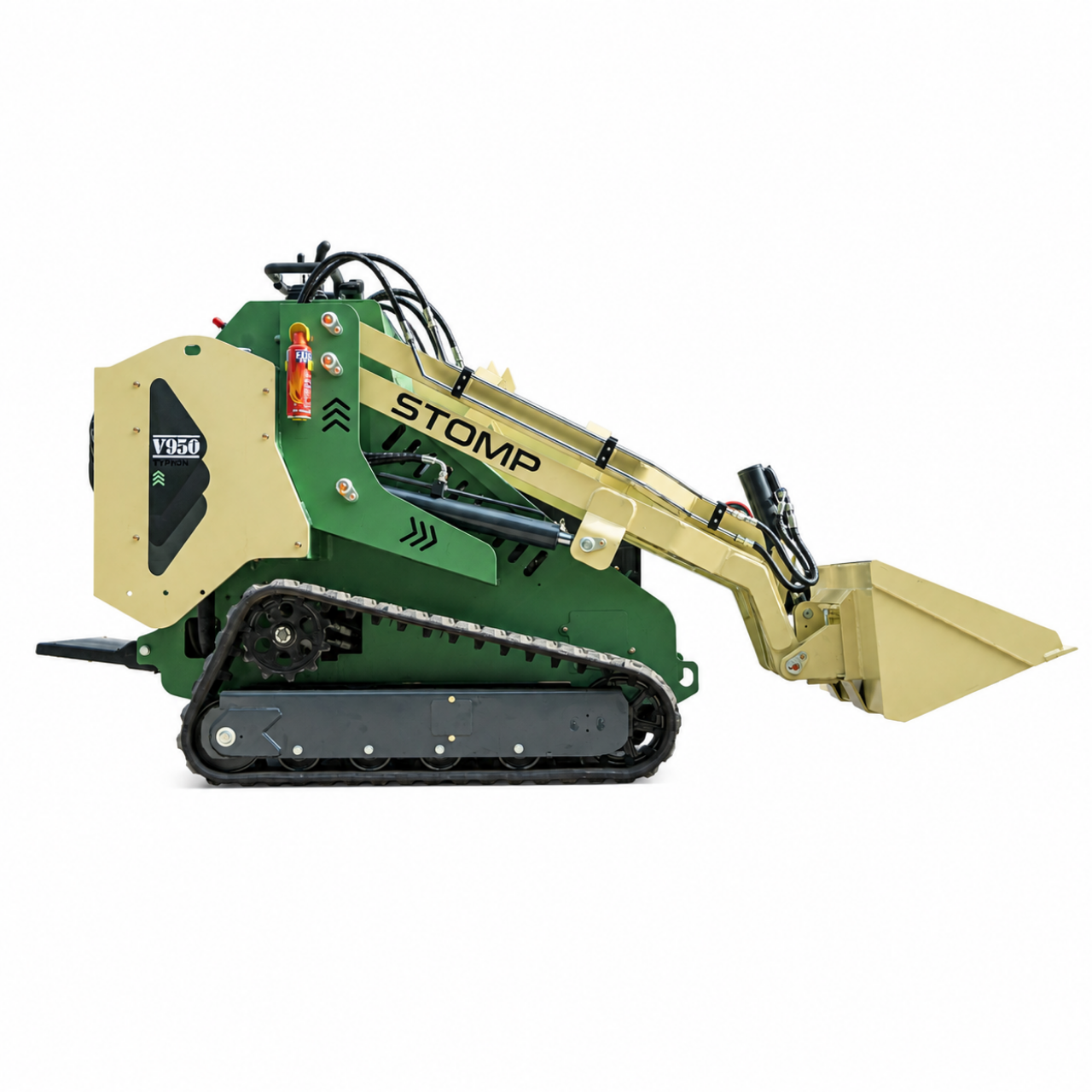
Skid steers typically come in two tiers. Standard-flow circuits handle lighter tools such as augers and grapples. High-flow circuits push far more oil per minute to feed heavy attachments like mulchers, planers, and snow blowers. Which tier a machine can support depends directly on how much power its engine can deliver to the pump.
How Auxiliary Flow Ties to Engine Size Selection
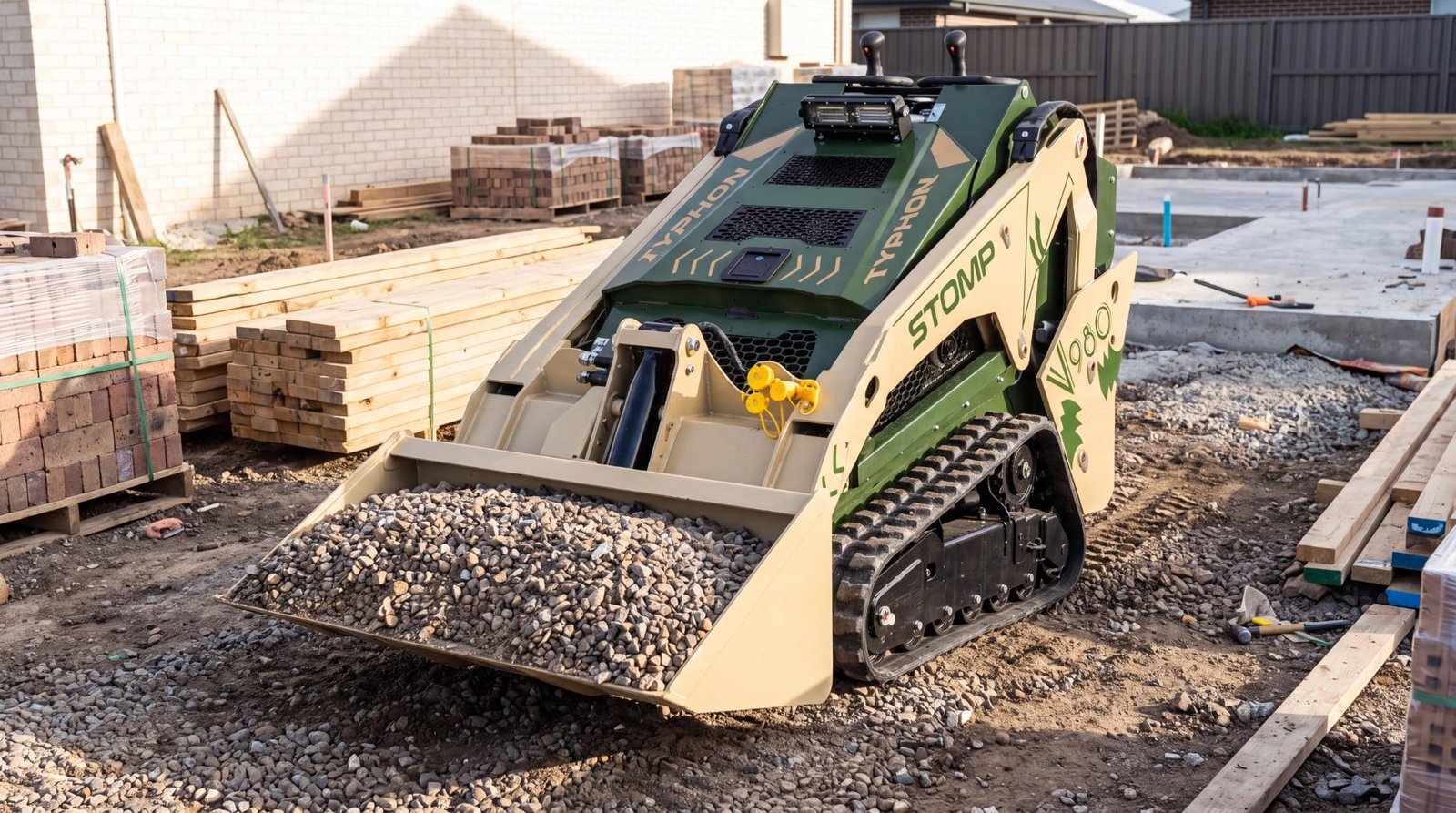
https://img.miniexcavator.org/ebay/Blog/class5/3rdSep/SkidSteer-05.webp
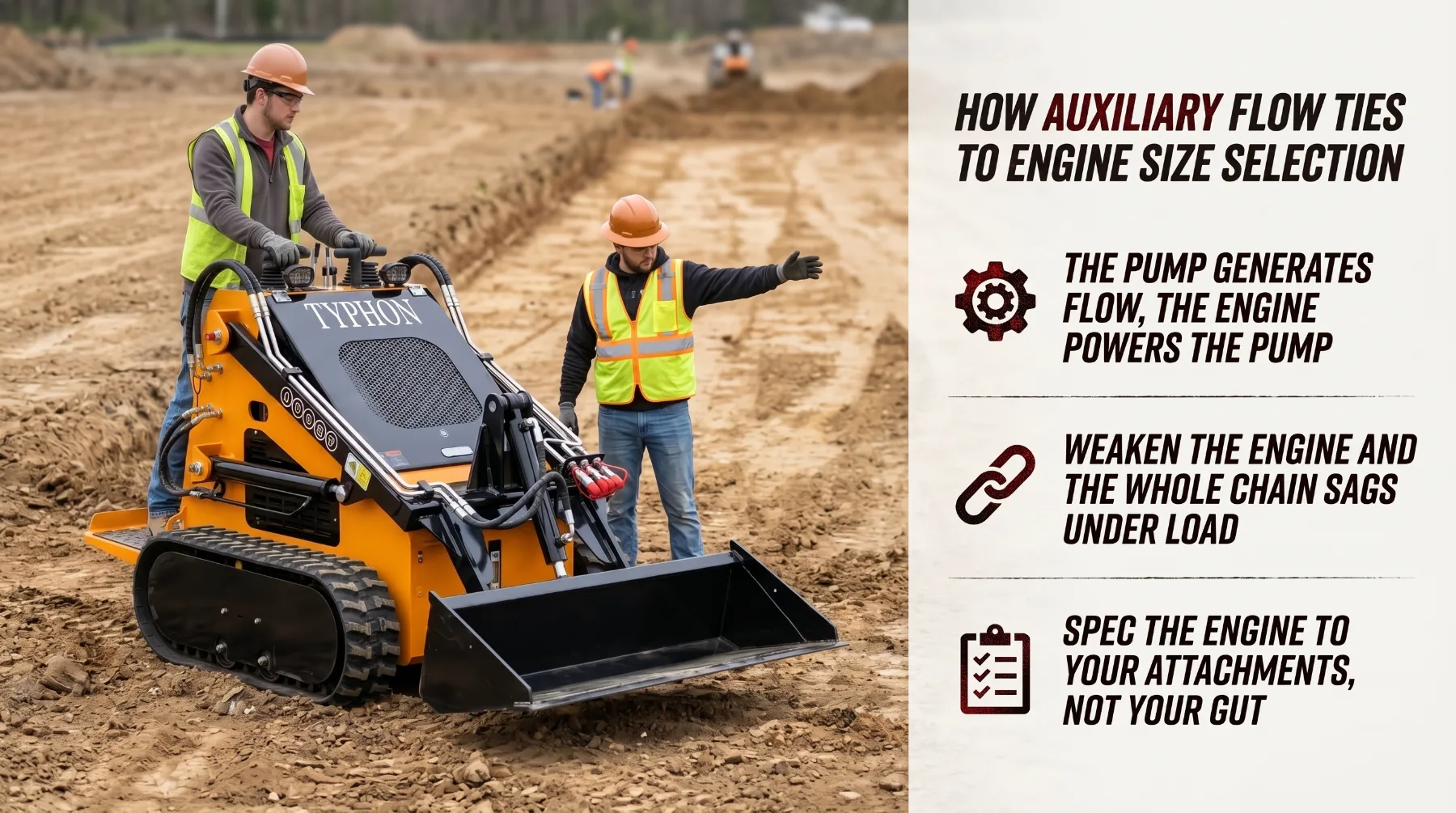
Here is the connection most buyers miss: the pump generates flow, but the engine powers the pump. To move more oil per minute at a given pressure, the pump needs more energy, and that energy comes from the engine. A high-flow circuit is not a bolt-on upgrade you can add to any powerplant. It requires an engine sized to sustain that higher output.
Think of it as a chain. The attachment sets the flow and pressure demand. The pump must supply that demand. The engine must drive the pump hard enough to keep the supply steady. Weaken the engine, and the whole chain sags under load, no matter how impressive the pump's rated flow looks in the brochure.
This is why engine selection should start with your attachments, not your gut. If you plan to run high-flow tools regularly, spec the engine that supports high-flow output at full pressure. A machine advertising a high peak flow number means little if its engine cannot hold that flow when the tool actually digs in.
What Happens When the Engine Is Undersized for Flow Demands
An undersized engine reveals itself the instant a demanding attachment loads up. The tool calls for its full rated flow, the pump tries to deliver, and the engine cannot supply enough power to keep pace. Engine RPM drops, the attachment slows, and the operator watches the work rate collapse even though the spec sheet promised otherwise.
Picture a mulcher on an underpowered machine. The head spins fast in open air, but the moment it meets thick brush, the engine bogs, the drum slows, and the cut stalls. The operator has to back off, let the engine recover, and creep back in, turning a smooth pass into a frustrating cycle of stops and starts.
The damage runs deeper than lost time. An engine held in this strained state burns extra fuel, runs hotter, and heats the hydraulic oil past its comfortable range. Thin, overheated oil lubricates poorly and accelerates wear on the pump and motors, so an undersized engine quietly taxes the whole hydraulic system every hour it works.
What Happens When the Engine Is Oversized for Flow Demands
The opposite mismatch wastes money in a quieter way. Pair a large engine with a hydraulic system and attachments that never call for high flow, and much of that engine's capacity sits idle. You paid for power the machine rarely uses, and you carry the cost every time you refuel.
A bigger engine generally means higher purchase price, greater fuel consumption at baseline, and more mass to move around the site. If your work centers on light attachments like standard buckets, pallet forks, and small augers, that extra capacity delivers no return. The engine loafs while the light tools set an easy pace it could handle at half strength.
The lesson cuts both ways. Match the engine to the heaviest attachment you will genuinely use, not the most extreme tool you might imagine. Oversizing feels like insurance, but on a skid steer that never runs high-flow work, it just adds cost without adding productive output.
Real-World Jobsite Implications
The gap between a matched and mismatched machine shows up most clearly in how fast jobs finish. On a land-clearing project, a skid steer with an engine properly sized for its mulcher advances steadily while the head keeps chewing, clearing a lane in one confident pass. An underpowered machine stalls repeatedly and stretches the same lane into hours of interrupted work.
Attachment planning has to happen before purchase, not after. A contractor who knows they will run a cold planer specs an engine that sustains high-flow output under load, so the planer grinds pavement while the machine creeps forward without bogging. Skip that step, and the machine technically accepts the planer but cannot power it at a productive pace.
Rental and resale realities reward the same foresight. A machine correctly sized for high-flow attachments commands broader demand because it runs the full range of profitable tools. One built around a mismatched engine limits which jobs you can bid and which attachments you can offer.
Operator Tips for Getting the Most From Your Hydraulic Setup
https://img.miniexcavator.org/ebay/Blog/class5/3rdSep/SkidSteer-06.webp
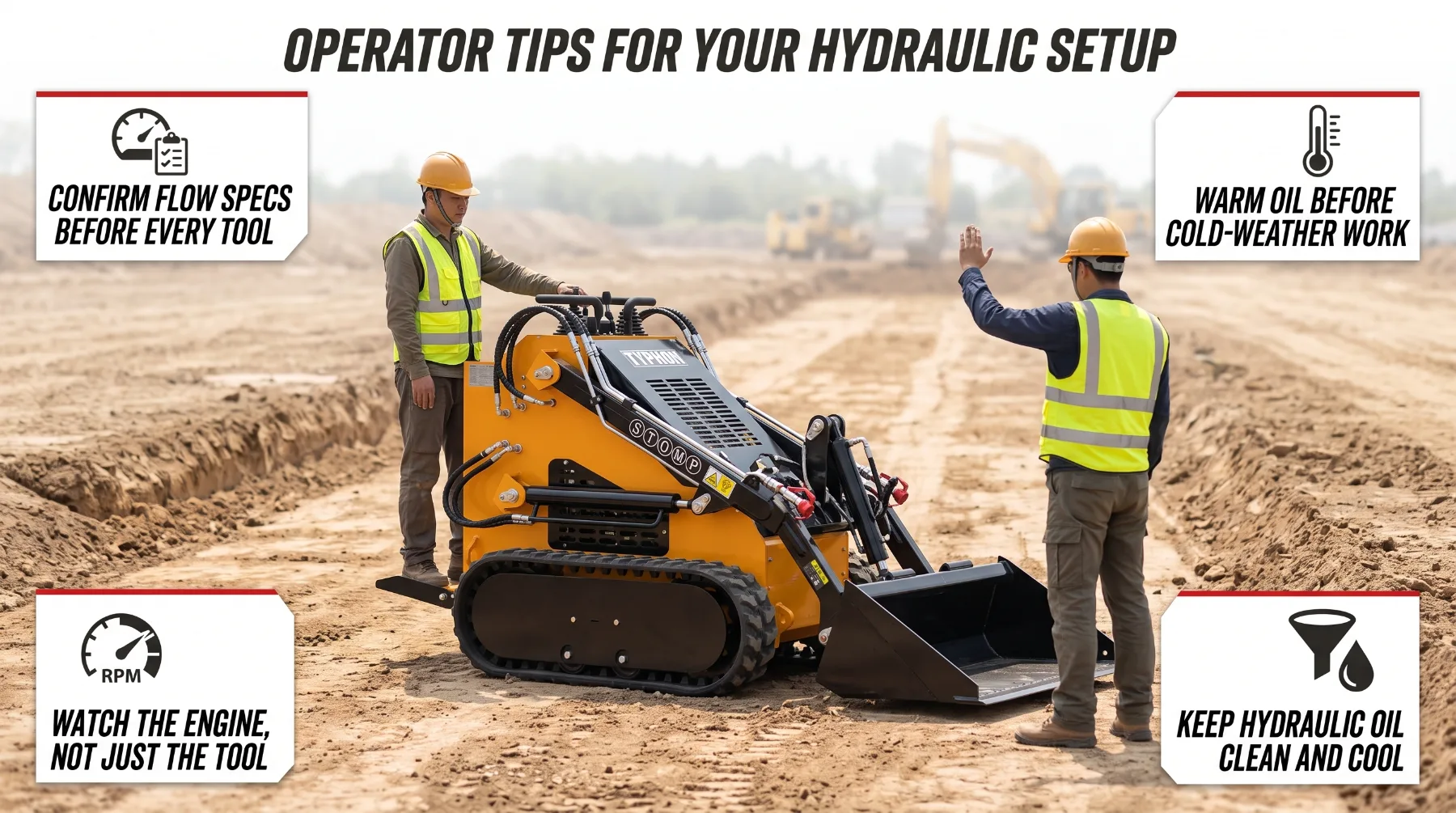
Even a well-matched machine performs better in skilled hands. These habits protect both output and the hydraulic system:
- Confirm the attachment's flow and pressure specs against your machine's rated auxiliary output before every new tool. Running a high-flow attachment on an engine built for standard flow guarantees disappointment.
- Warm the hydraulic oil before demanding work in cold weather, since cold, thick oil moves poorly and strains the pump until it reaches operating temperature.
- Watch the engine, not just the tool. When RPM starts to sag under load, ease off before the engine bogs fully, keeping the powerplant in its efficient range.
- Keep the hydraulic oil clean and cool. Check the cooler for debris, service filters on schedule, and replace oil at the recommended interval to protect flow consistency.
- Match ground speed to the cut. Advancing too fast into heavy material overloads the attachment and the engine at once, so slowing your travel often speeds the overall job.
Together these habits keep flow steady, protect the engine from strain, and extend the life of every hydraulic component.
Long-Term Cost and Durability Effects
The engine-to-flow match shapes your ownership costs long after the purchase. A properly sized engine runs within its efficient band, burning fuel in proportion to the work it completes rather than wasting it fighting a load it cannot meet. Over a season, that efficiency adds up to real savings on every tank.
Component life follows the same pattern. When the engine comfortably supplies the flow its attachments demand, the pump, motors, and oil all operate within their design limits. Nothing runs chronically hot, nothing strains past its rating, and each part reaches closer to its full service life. Repair bills stay low and downtime stays rare.
Resale value reflects this balance in the end. A machine that was correctly sized and skillfully operated shows less wear, holds its condition, and appeals to the next buyer who wants a proven high-flow performer. A mismatched, overworked machine carries the marks of years of strain and sells for less as a result.
Conclusion
Auxiliary hydraulic flow is not a detail to check after you pick an engine. It is the demand that should drive the engine decision in the first place. Your attachments set the flow and pressure the machine must supply, the pump converts engine power into that flow, and the engine determines whether the supply holds steady under real load.
Before you buy, list the heaviest attachments you will genuinely run, confirm their flow and pressure requirements, and choose an engine sized to sustain that output at full pressure with a little headroom to spare. Avoid the undersized engine that bogs and overheats, and skip the oversized one that burns money it never earns back. The skid steer whose engine matches its flow demands is the one that runs every tool at full strength, finishes work faster, and holds its value across years of dependable service.
Frequently Asked Questions
Why should auxiliary hydraulic flow guide my engine choice instead of the other way around? Because the engine exists to power the hydraulics on a skid steer. Your attachments set the flow and pressure the machine must deliver, and only an engine sized to meet that demand can sustain it under load. Picking the engine first, then hoping it supports your attachments, often leaves you with a machine that stalls on the tools you most want to run.
How do I know if my engine can support a high-flow attachment? Compare the attachment's required flow rate and operating pressure against your machine's rated high-flow output, then confirm the engine is specced to sustain that flow at full pressure, not just peak it briefly. Watch for bogging RPM, a slowing attachment, or overheating oil during real work, since these signs mean the engine cannot keep the pump supplied under load.
Is a bigger engine always the safer choice for running attachments? No. An oversized engine adds purchase cost, baseline fuel consumption, and weight without benefit if your attachments never demand high flow. The goal is to match the engine to the heaviest tool you will genuinely use, giving yourself modest headroom rather than paying for capacity that sits idle every shift.
Equipment Guidance
Need help choosing equipment for your next job?
Contact KONSTRUCTZ support and get practical guidance before comparing machines, attachments, or jobsite requirements.Contact SupportReader Comments
Join the equipment discussion
Related Posts
Keep comparing before the next job
 Skid SteersWhy Engine Displacement Matters in a Skid Steer Loader9 min read
 Skid Steers, Equipment Buying GuidesSkid Steer and Compact Track Loader Buying Guide: Size and Attachments13 min read
 Mini Excavators, Skid Steers, Equipment Buying GuidesMini Excavator vs Skid Steer or Compact Track Loader: Which Fits Your Job?10 min read
No published comments yet.