Choosing a wheel loader is not simply a matter of selecting the biggest engine, the highest lift number, or the lowest advertised price. The right purchase begins with the work: the material you need to move, the surface under the machine, the space available for maneuvering, the people who will operate it, and the support required after delivery. A machine that is perfectly matched to one contractor may be oversized, underpowered, or unnecessarily expensive for another. This guide explains how to compare wheel loaders in a practical order so buyers can reduce guesswork and choose equipment that will remain useful beyond the first project.
What a Wheel Loader Is Designed to Do
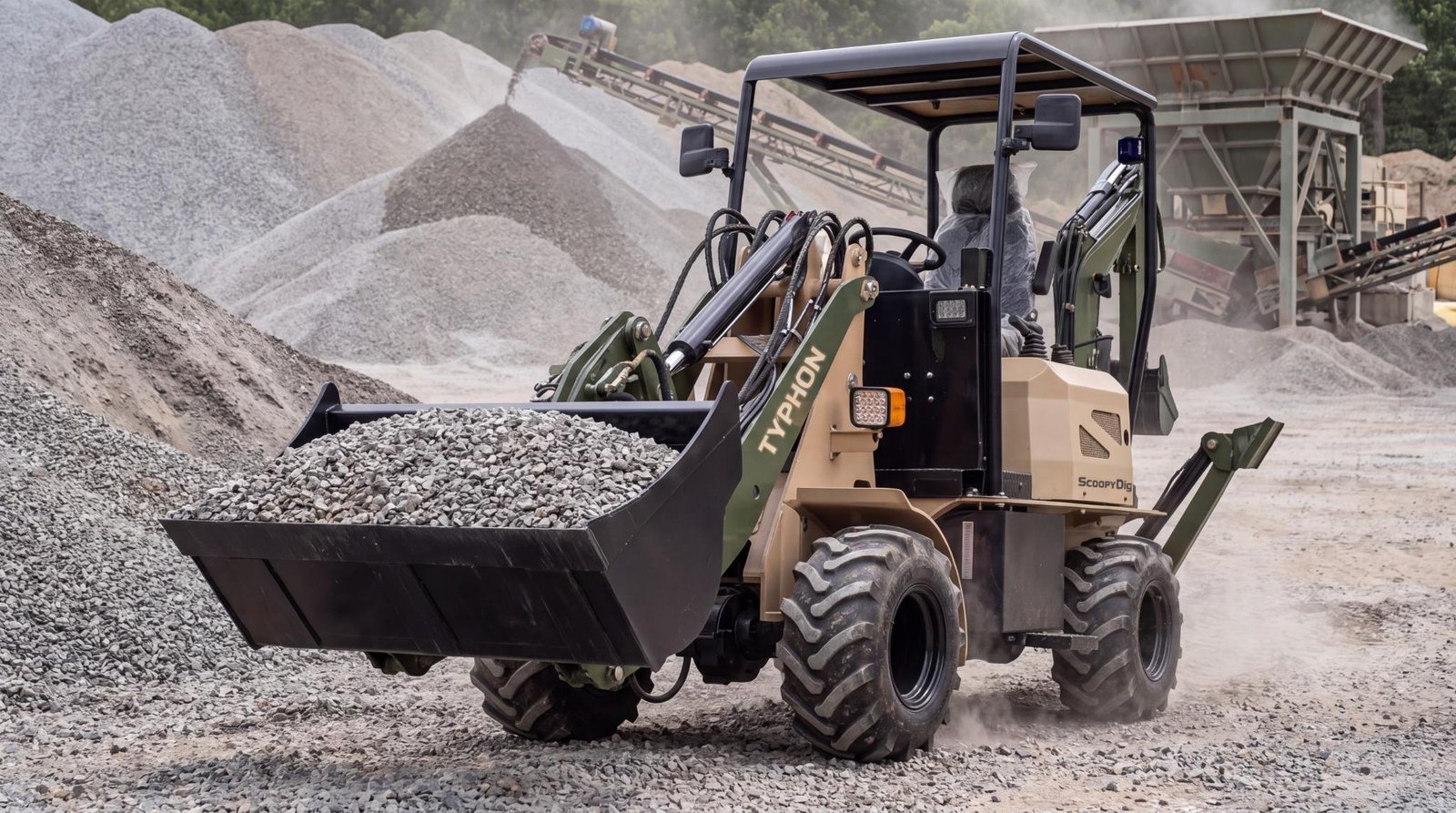
A wheel loader is a mobile loading and material-handling machine with a front-mounted bucket or attachment. Many models use articulated steering, allowing the front and rear frames to pivot for maneuverability. Wheel loaders range from compact machines used in landscaping and farms to large production loaders serving quarries and major construction sites. Their primary strengths are scooping, carrying, stockpiling, loading, and handling materials over short distances.
A wheel loader is best understood as a productivity system rather than a single piece of iron. Its chassis, power source, hydraulic system, tires, work tool, controls, operator station, and service access all influence the amount of useful work completed in a day. Buyers often concentrate on one headline specification while ignoring the surrounding system. For example, strong rated performance has limited value when the machine cannot enter the property, cannot use the required attachment, or creates excessive ground disturbance. A balanced specification normally produces a better ownership experience than an impressive number that does not match the application.

Start With the Jobs, Not the Machine
List the work you expect to complete during the next twelve to twenty-four months. Common applications for this equipment include loading soil or aggregate, moving mulch and compost, handling feed and manure, carrying pallets, snow removal, stockpile management, jobsite cleanup, and placing landscape materials. Estimate how often each task will occur, the material involved, the typical distance traveled, and the level of finish required. A machine used every day for production work should be evaluated differently from one purchased for seasonal property maintenance. Daily production places more importance on operator comfort, fast service access, attachment changes, fuel or charging logistics, and dependable parts support. Occasional users may place more value on simple controls, compact storage, and broad versatility.
Build a load-and-carry profile for each recurring job. Record the material and its density, realistic bucket fill, fork-load weight and center, travel distance, target dump height, grades, turns, surface conditions, narrowest passage, and required tonnes or cubic yards per hour. Size the loader for the demanding routine cycle rather than an unusually light average load.
Choose the Correct Size Class
Compact articulated loaders can work in barns, yards, nurseries, and narrow urban properties where larger machines cannot turn. Mid-size loaders offer greater bucket capacity and truck-loading performance. Large loaders are designed for high production and require substantial transport, operating space, and ground support. Select size from the target bucket volume, material density, required dump height, fork loads, travel distance, ground conditions, and the width of gates or aisles.
Dimensions deserve the same attention as performance. Confirm overall width, height, length, articulation angle, outside turning radius, rear-frame swing, operating clearance, and the space required for the selected work tool. Measure gates, warehouse doors, alleyways, trailer decks, orchard rows, and storage areas instead of relying on memory. Include mirrors, lift arms, counterweights, buckets, forks, and other parts that change the working envelope.
Specifications That Matter Most
Read wheel-loader specifications in the working configuration. Bucket volume must be paired with material density and fill factor; fork capacity must be checked at the actual load center; and an articulated loader’s full-turn rating may control the task even when its straight-ahead figure looks higher. Compare these limits with the intended attachment, dump target, tires, surface, grades, and cycle time.
- Tipping load, rated operating load, and capacity with the intended bucket or fork configuration.
- Bucket capacity matched to material density rather than volume alone.
- Full-turn tipping load for articulated machines.
- Hinge-pin height, dump clearance, reach at full height, and rollback angle.
- Breakout force, traction, travel speed, axle design, differential locks, and tire options.
- Auxiliary hydraulic capability, coupler type, attachment controls, and visibility.
Material density can change the safe bucket size. A bucket that is appropriate for mulch may overload the machine when filled with wet soil, gravel, or dense recycled material. For fork work, calculate load weight and center of gravity, then consider how turning an articulated machine changes stability. Use manufacturer load charts and ratings for the installed attachment.
Power Source and Daily Operating Cycle
Diesel engines remain common because loaders need sustained traction and hydraulic performance. Electric compact loaders can suit indoor facilities, greenhouses, yards, or operations that value low noise and reduced point-of-use emissions. Hybrid and alternative systems may also appear in certain classes. Compare the energy system with travel distance, shift duration, cold or hot conditions, attachment demand, and local service support.
Model the complete loading cycle: approach and bucket fill, reversing, articulated turns, loaded travel, queuing, lift and dump, return travel, idle time, and refueling or charging. Production depends on payload and completed cycles together. A smaller loader with a well-matched bucket and short, organized route can outperform a larger machine that waits at the pile or dump point.
Attachments and Compatibility
Buckets are only the beginning. A wheel loader equipped with a quick coupler can support different materials and seasonal work, but the attachment must match the loader’s geometry and rated capacity.
- general-purpose bucket
- light-material bucket
- 4-in-1 bucket
- grapple bucket
- pallet forks
- bale spear
- snow blade or pusher
- sweeper
- material-handling arm
Compatibility must be verified before purchase. Confirm the coupler style, hydraulic flow and pressure, electrical connections, auxiliary controls, attachment weight, visibility, and the manufacturer ratings, load charts, or written approval that apply. An attachment that physically connects is not automatically a correct match. The configured loader must remain within its documented capacity and stability limits throughout the task.
Match the Machine to the Worksite
Tire selection affects traction, ride, flotation, wear, and floor protection. Agricultural sites may need traction in mud and manure. Landscaping businesses may value low ground pressure and minimal turf disturbance. Construction sites may expose tires to sharp debris and rough haul roads. Articulated steering improves maneuverability but changes the machine’s footprint and stability during turns, so operators must understand rear-frame swing and full-turn ratings.
Walk the loader’s full route from delivery point to stockpile and dump target. Allow for rear-frame swing during articulation, the loaded bucket or forks, tire clearance, overhead obstacles, and room to approach the pile squarely. Confirm that the unloading area and travel surface support the machine and transport equipment, then identify a recovery route if mud, snow, or a disabled loader blocks the normal exit.
Operator Experience, Controls, and Comfort
The best wheel loader is one that trained operators can control smoothly and consistently. Evaluate visibility to the work tool, entry and exit, control effort, display clarity, seat adjustment, vibration, noise, climate protection, and the ease of checking surroundings. Comfort is not only a luxury. Fatigue can reduce precision and encourage rushed decisions late in the shift. For businesses with multiple operators, familiar control logic and clear labeling can shorten the learning curve while formal training remains essential.
Demonstrate the loader with the intended bucket or forks and representative material. Include pile penetration, a full articulated turn, loaded travel over the actual surface, approach to the truck or hopper, dump clearance, and precise fork placement where applicable. Record cycle time and operator visibility; an empty parking-lot drive cannot show how the machine behaves at working load.
Ownership Cost and Long-Term Value
Major costs include tires, bucket edges and teeth, pins, bushings, articulation joints, axle and differential service, hydraulic hoses, filters, fuel or electricity, and transport. Loader productivity depends on matching bucket size to the material and minimizing unnecessary travel. A small improvement in cycle time can matter on high-volume work, while versatility and attachment changes may be more valuable for low-volume mixed jobs.
Estimate cost per tonne or cubic yard moved over a realistic ownership period. Include purchase and finance costs, tires, cutting edges, articulation and axle service, fuel or electricity, attachments, transport, insurance, scheduled maintenance, downtime, and resale value. Then compare the cost with cycle-time gains, reduced hand labor, additional work won, and the value of using one loader across seasons.
Serviceability and Parts Support
Daily cleaning of cooling packages is important in dusty, agricultural, compost, and landscaping environments. Inspect the center articulation joint, steering cylinders, axles, tires, coupler locks, lift-arm pins, bucket linkage, and hydraulic connections. Grease intervals may be frequent under wet or abrasive conditions. Ask how easily radiators swing out or screens can be removed for cleaning.
Confirm that operators can inspect fluids, cooling screens, tires, articulation pins, steering cylinders, lift linkage, and the coupler without awkward disassembly. Ask which axle, articulation, hydraulic, and cooling-system parts are stocked locally, how diagnostic support is delivered, and what records preserve warranty coverage. High-hour loaders need a credible plan for tire and center-joint work, not only routine filter supply.
Safety and Training Considerations
Carry loads low, travel at a controlled speed, use seat belts and rollover protection, and keep people away from the articulation and attachment zones. The rear frame moves opposite the front during a turn, creating a crush hazard. Never exceed approved bucket or fork ratings, and use additional care on slopes, near edges, or when turning with a raised load. Secure attachments and verify coupler engagement before working.
Use the operator’s manual as the controlling source for machine-specific procedures. Only trained and authorized people should operate the loader, and the worksite should be evaluated for traffic, slopes, overhead hazards, unstable edges, pedestrians, and changing weather. Keep the seat belt, ROPS/FOPS, guards, alarms, warning labels, coupler lock, and other safety systems in place and functional. Control the articulation crush zone and never increase capacity or alter the attachment system with an unapproved modification.
Pre-Purchase Inspection and Demonstration
1. Confirm the model, serial number, operating weight, bucket or fork configuration, coupler, tire specification, manuals, keys, and included tools.
2. Inspect welds, hoses, fittings, pins, bushings, tires and wheels, cylinders, guards, lights, alarms, and fluid levels.
3. Start the loader according to the manual and check warning indicators, steering and articulation response, brakes, transmission, hydraulics, leaks, temperature, unusual noise, and exhaust condition on combustion models.
4. Cycle the lift arms, bucket linkage, coupler, and auxiliary hydraulics through their normal range in a clear area with a qualified operator.
5. Load the intended attachment with representative material, make controlled full turns, and verify visibility, dump clearance, braking, and stability.
6. Review delivery and loading arrangements, warranty coverage, tire and wear-part availability, service contacts, training, and the process for reporting shipping damage.
For used equipment, request service history and examine wear patterns rather than relying on fresh paint. Uneven tire wear, loose pins, articulation play, damaged couplers, contaminated fluids, heat discoloration, and improvised wiring can reveal how the machine was used and maintained. A qualified technician should inspect equipment when the buyer cannot confidently assess condition.
Common Buying Mistakes
- Choosing bucket volume without considering material density.
- Using straight-ahead capacity when full-turn capacity controls the task.
- Ignoring dump clearance for the trucks or hoppers being loaded.
- Selecting tires that wear rapidly or provide poor traction on the actual surface.
- Buying a coupler or attachment system that limits future tools.
- Failing to inspect articulation joints and cooling systems.
Another frequent mistake is treating the wheel loader as an isolated purchase. The machine may also require a trailer, tie-down equipment, charging setup, fuel storage, spare cutting edges, filters, grease, personal protective equipment, secure storage, and a plan for service. Include these items in the purchase decision so the equipment can begin working safely instead of waiting for missing support items.
A Practical Decision Process
1. List the recurring materials, their densities, target production, and the heaviest fork load.
2. Measure every access, storage, transport, and operating restriction.
3. Select a size class using documented full-turn capacity, bucket fill, fork load center, and dump clearance.
4. Identify the attachments needed now and those likely to be added later.
5. Compare expected payload, cycle time, tire and wear cost, service response, and cost per unit of material moved.
6. Run a representative loading, travel, turn, and dump cycle with the intended material and target.
7. Document the loader, tires, coupler, bucket or forks, attachment ratings, delivery, training, and maintenance package in writing.
This process gives a salesperson or equipment specialist useful information. Instead of asking for “the best wheel loader,” you can describe the material, distance, access, surface, duty cycle, attachments, and budget. That leads to a more accurate recommendation and makes competing proposals easier to compare.
Frequently Asked Questions
How large should my wheel loader be? Choose the smallest size that can safely complete the most demanding recurring task while meeting access, stability, and transport requirements. Do not size only for the easiest job or buy excess capacity that creates unnecessary cost and ground pressure.
Should I buy a new or used wheel loader? New equipment offers current load documentation, warranty coverage, and more predictable tire and articulation condition. A used loader may lower initial cost, but inspect frame and bucket repairs, center-joint play, axles, transmission, hydraulics, tires, hours, service history, and attachment compatibility before comparing value.
Which attachment should I buy first? Start with the bucket or forks used for the largest share of annual work. Match bucket volume to material density and fork capacity to load center, then verify coupler geometry, hydraulic needs, visibility, and the loader’s documented rating before adding seasonal tools.
How do I compare two loaders with similar specifications? Run the same material through the same pile-to-dump route. Compare actual payload, full-turn stability, bucket fill, dump clearance, visibility, articulation behavior, tire suitability, cycle time, fuel or energy use, service response, and cost per unit moved.
What information should I provide when requesting a quote? Share the material type and density, required bucket volume or fork load and load center, dump height, travel distance, production target, access width, surface, slopes, daily hours, attachments, delivery location, and target schedule.
Choose for the Complete Work Cycle
A well-chosen wheel loader should fit the site, handle the actual material and load through the required travel and dump cycle, accept the right tools, remain understandable to trained operators, and have a realistic support plan. Compare full-turn capacity, attachment ratings, access, transport, training, service, and ownership cost rather than relying on one headline specification.
Equipment Guidance
Need help choosing equipment for your next job?
Contact KONSTRUCTZ support and get practical guidance before comparing machines, attachments, or jobsite requirements.Contact SupportReader Comments
Join the equipment discussion
Related Posts
No published comments yet.